Money-Saving Tips
- Purchase combo tickets: Many attractions offer discounted combination tickets
- Visit on weekdays: Lower crowds and sometimes reduced prices
- Use regional passes: Consider area-specific passes for multiple attractions
- Free admission days: Some museums offer free entry on certain days
Time-Saving Tips
- Arrive early: Beat the crowds by visiting popular spots before 10 AM
- Book online: Reserve tickets and restaurants in advance
- Use luggage storage: Store bags at stations to explore freely
- Download offline maps: Save data and navigate easily
Local Insights
- Ask locals: Residents often know the best hidden spots
- Try seasonal specials: Each season offers unique experiences
- Respect customs: Follow local etiquette at temples and shrines
- Learn basic Japanese: Simple phrases enhance your experience
- Top attraction in Hakone Area Guide
- Best time to visit: Morning or evening
- Access: Easy access from Tokyo/Yokohama
- Facilities: Restrooms, parking available
- Best for: Sightseeing, photography
Quick Links
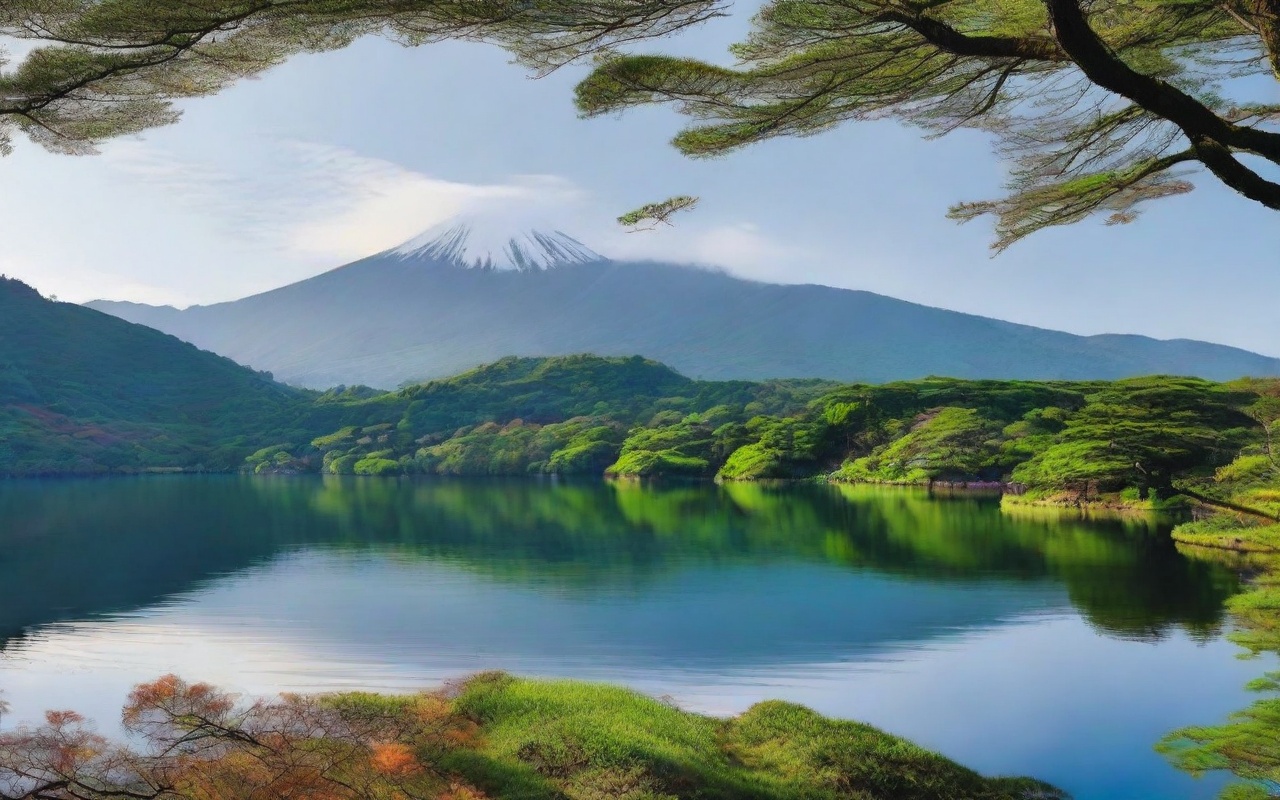
This comprehensive guide provides essential information about Hakone Area Guide 2026: Complete Travel Guide. Discover local insights, practical tips, and hidden gems to enhance your visit to Kanagawa.
Location
Within 5km
Historic Sites:
- Ancient temples and shrines (10-15 min)
- Traditional architecture and gardens
- Cultural heritage sites
Natural Attractions:
- Scenic parks and walking trails
- Coastal views and beaches
- Mountain viewpoints
Within 10km
Museums & Culture:
- Local history museums
- Art galleries
- Traditional craft centers
Shopping & Dining:
- Local markets
- Specialty shops
- Traditional restaurants
Day Trip Options
Morning:
- Early visit to main attraction
- Breakfast at local cafe
Afternoon:
- Explore nearby sites
- Lunch at recommended restaurant
Evening:
- Sunset viewpoint
- Dinner at local specialty restaurant
Spring (March-May)
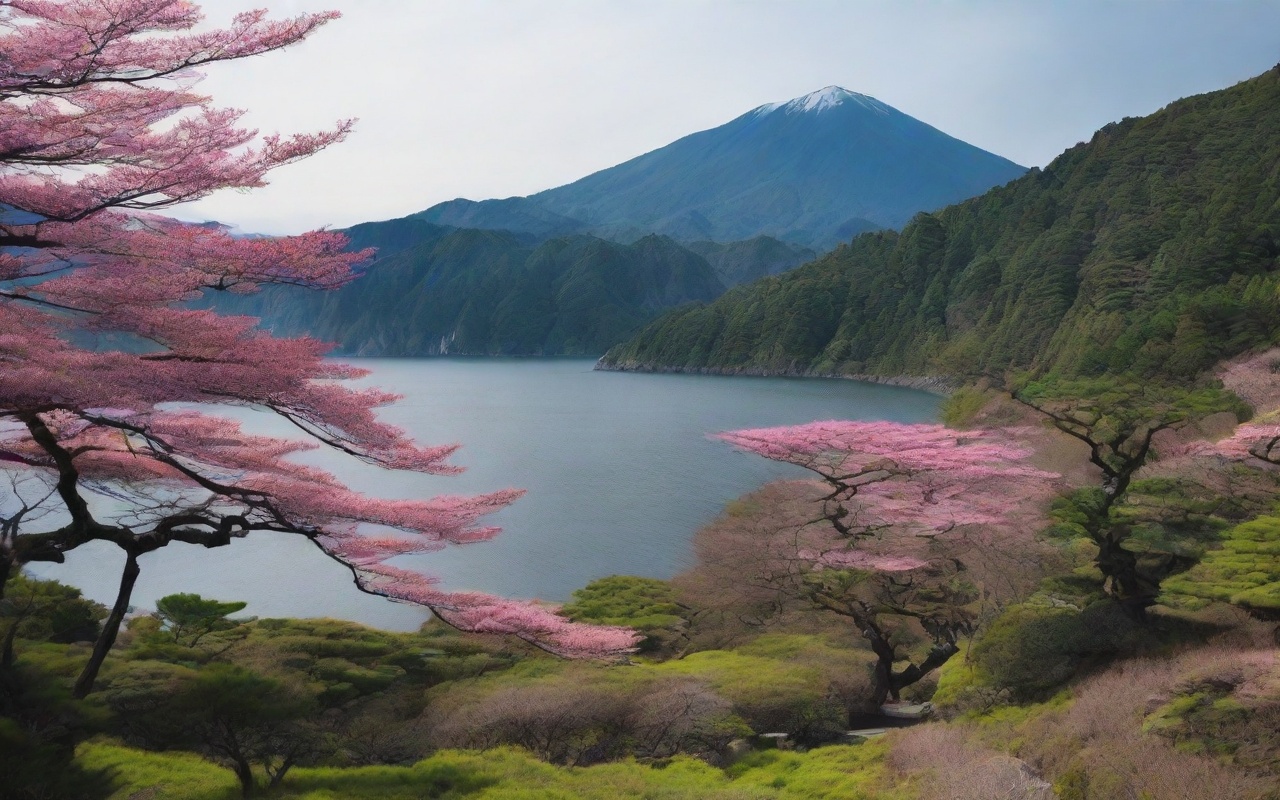
Highlights: Cherry blossoms, mild weather, spring festivals
- Temperature: 10-20°C (50-68°F)
- Crowds: High during cherry blossom season (late March-early April)
- What to Wear: Light jacket, layers
- Special Events: Hanami parties, spring festivals
Summer (June-August)
Highlights: Green landscapes, summer festivals, fireworks
- Temperature: 20-30°C (68-86°F)
- Crowds: Very high (school holidays)
- What to Wear: Light clothing, hat, sunscreen
- Special Events: Fireworks festivals, beach activities
Autumn (September-November)
Highlights: Fall foliage, comfortable weather, harvest season
- Temperature: 15-25°C (59-77°F)
- Crowds: Moderate to high (especially November)
- What to Wear: Light layers, comfortable walking shoes
- Special Events: Autumn festivals, food events
Winter (December-February)
Highlights: Fewer crowds, clear views, winter illuminations
-
Temperature: 5-15°C (41-59°F)
-
Crowds: Low (except New Year holidays)
-
What to Wear: Warm coat, gloves, scarf
-
Special Events: Winter illuminations, New Year events
-
Access: 1.5 hours from Tokyo by train
-
Best for: Hot springs, Mount Fuji views, museums
-
Top attractions: Owakudani, Lake Ashi, Hakone Shrine
-
Best season: Year-round (onsen in winter, views in clear days)
Introduction: Why Visit Hakone
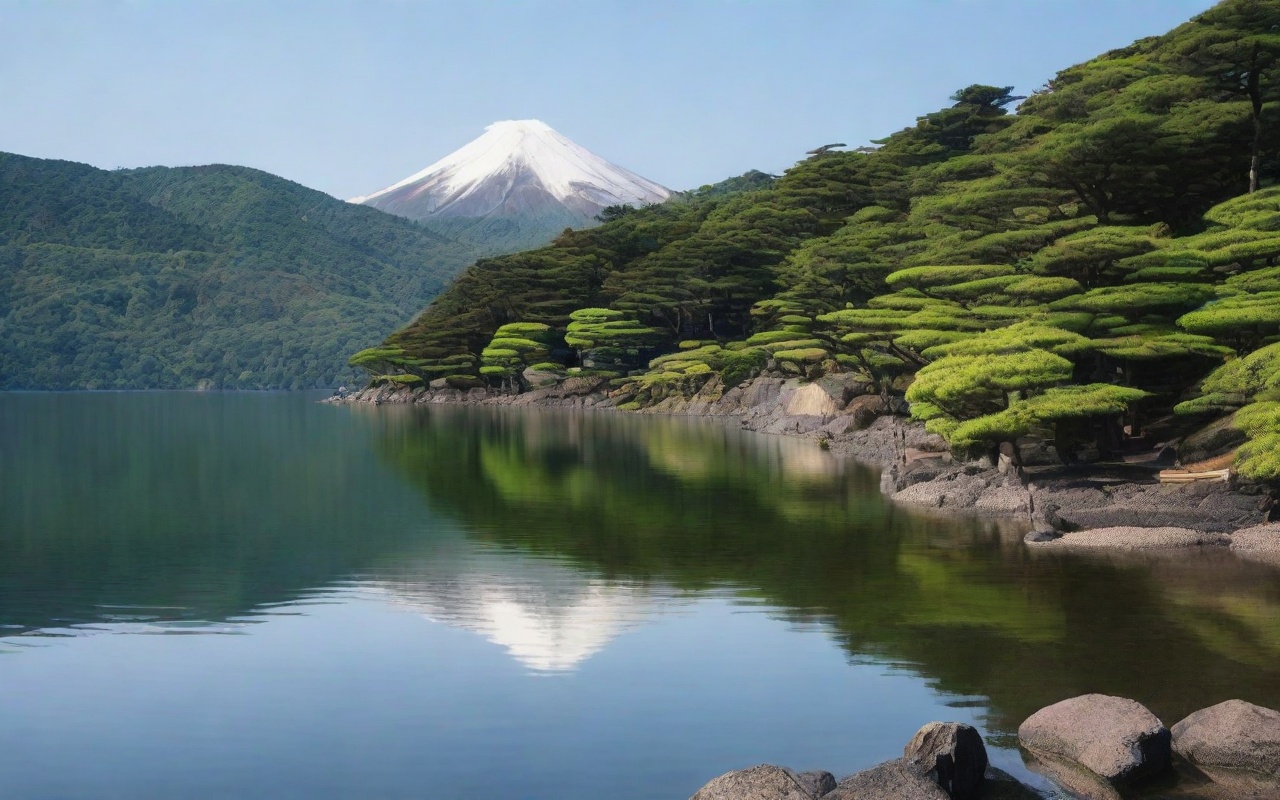
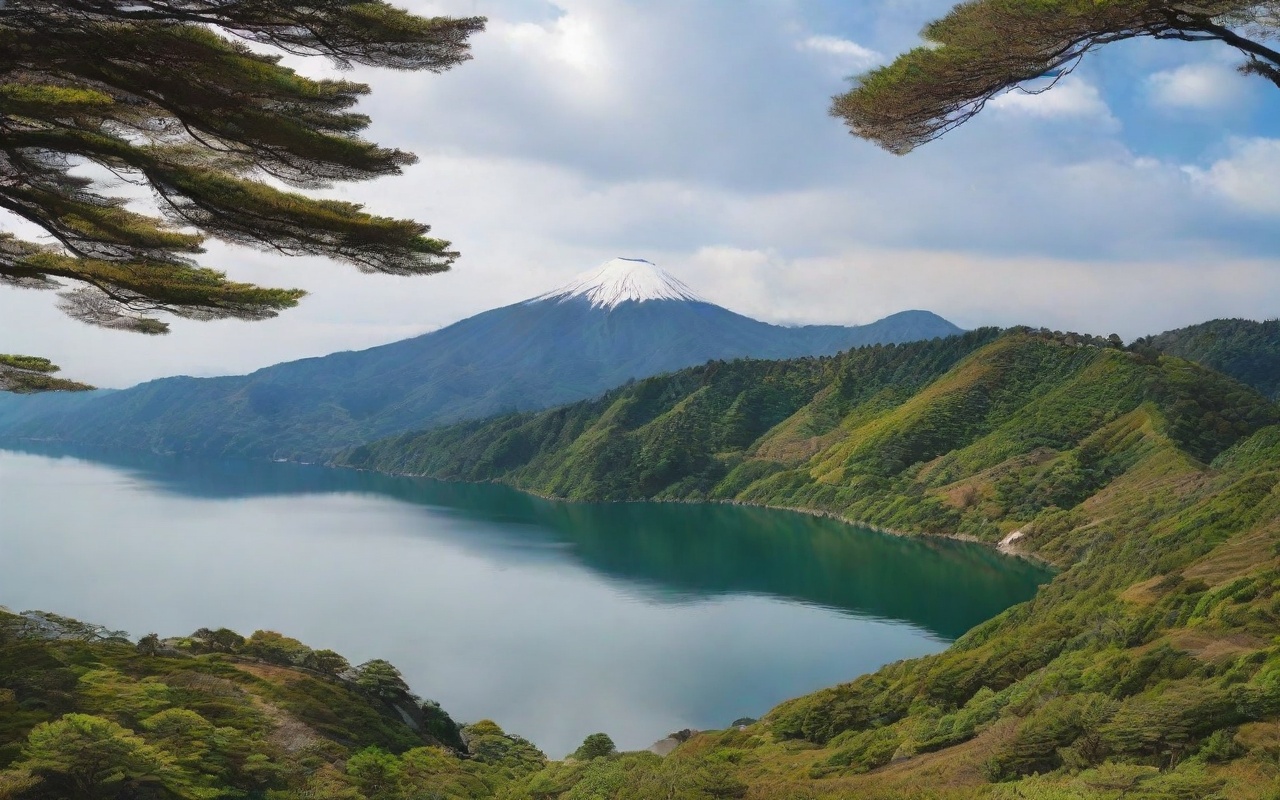
Hakone is one of Japan's most famous hot spring resort areas, located in the mountains of Kanagawa Prefecture. Just 1.5 hours from Tokyo, it offers a perfect escape from the city with natural hot springs, stunning Mount Fuji views, and world-class museums.
Highlights:
- Natural hot springs (onsen)
- Panoramic Mount Fuji views
- Lake Ashi scenic cruises
- Over 20 museums
- Historic shrines and temples
By Train (Recommended)
Romancecar from Shinjuku:
- Time: 85 minutes to Hakone-Yumoto
- Cost: ¥2,470 (reserved seat)
- Frequency: Every 30 minutes
JR Shinkansen:
- Time: 40 minutes to Odawara, then 15 min local train
- Cost: ¥4,500 (covered by JR Pass)
- Frequency: Every 30 minutes
By Bus
Highway Bus:
- From: Shinjuku Station
- Time: 2-2.5 hours
- Cost: ¥1,800-2,500
- Frequency: Every hour
By Car
- From Tokyo: 2 hours via Tomei Expressway
- Parking: Available at most attractions (¥500-1000/day)
Hakone Free Pass
Highly Recommended!
Cost: ¥5,140 (from Shinjuku), ¥4,000 (from Odawara)
Validity: 2 consecutive days
Includes: Round trip from Shinjuku, all Hakone transport
Covers:
- Hakone Tozan Railway
- Hakone Tozan Cable Car
- Hakone Ropeway
- Hakone Sightseeing Cruise
- Hakone Tozan Bus
Hakone Kamakura Free Pass
Cost: ¥5,140
Validity: 3 consecutive days
Includes: Hakone area + Kamakura/Enoshima
Owakudani (Great Boiling Valley)
Best for: Volcanic activity, black eggs, Mount Fuji views
Hours: 9:00 AM - 5:00 PM
Admission: Free (ropeway required)
Access: Hakone Ropeway to Owakudani Station
An active volcanic valley with hot springs and sulfur vents. Famous for "kuro-tamago" (black eggs) boiled in hot springs.
Legend: Eating one black egg adds 7 years to your life!
Lake Ashi (Ashinoko)
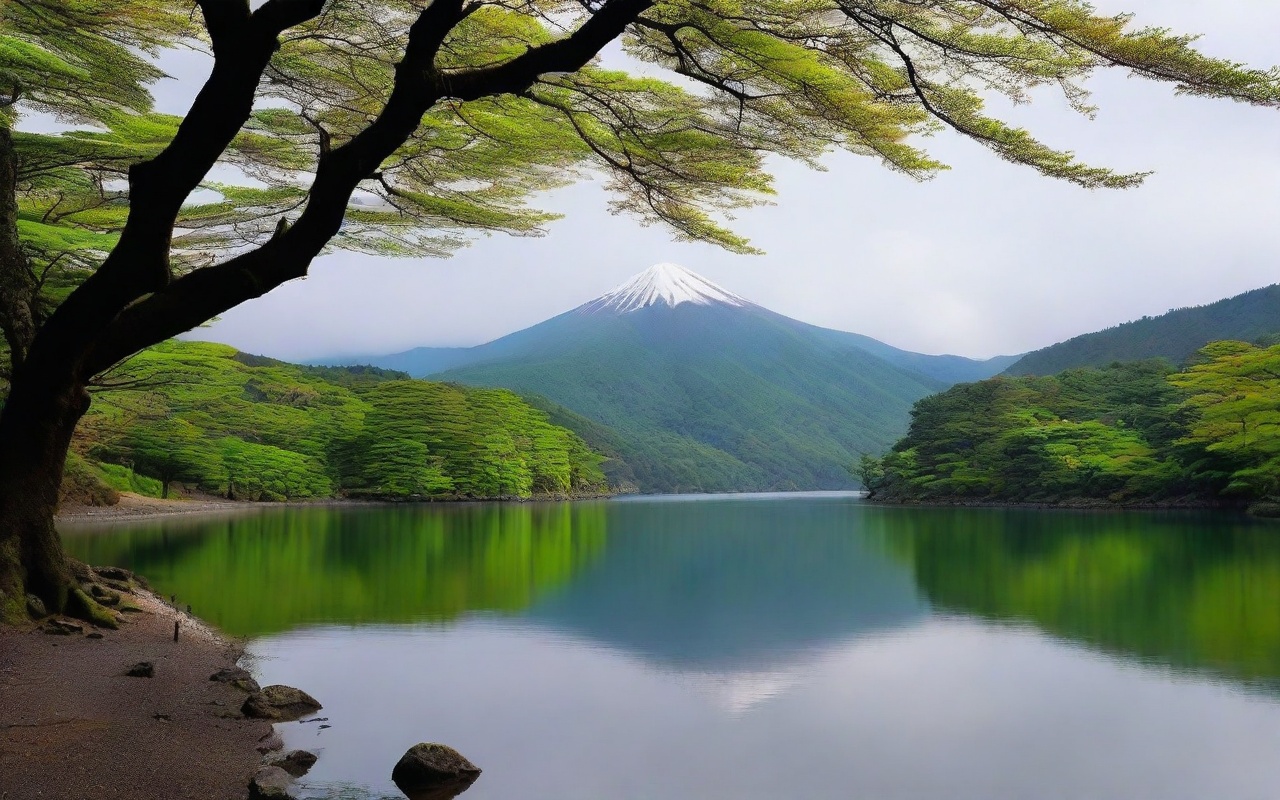
Best for: Scenic views, boat cruises, Mount Fuji reflection
Hours: 24 hours (boat cruises: 9:00 AM - 5:00 PM)
Admission: Free (boat cruise: ¥1,000)
Access: Hakone-machi or Moto-Hakone
A beautiful crater lake with stunning views of Mount Fuji. Sightseeing cruises operate regularly.
Hakone Shrine
Best for: Spiritual experience, iconic torii gate
Hours: 9:00 AM - 5:00 PM
Admission: Free
Access: 10 min walk from Moto-Hakone bus stop
A historic Shinto shrine famous for its "torii gate in the water." One of the most photographed spots in Hakone.
Hakone Open-Air Museum
Best for: Art, sculpture, outdoor experience
Hours: 9:00 AM - 5:00 PM
Admission: ¥1,600
Access: 2 min walk from Chokoku-no-Mori Station
Japan's first open-air museum featuring over 120 sculptures in a beautiful natural setting.
Day Trip Onsen
Tenzan Onsen
Cost: ¥1,500 (day trip)
Hours: 7:00 AM - 11:00 PM
Access: 15 min bus from Hakone-Yumoto
Features: Outdoor baths, sauna
Hakone Yuryo
Cost: ¥1,400 (day trip)
Hours: 10:00 AM - 9:00 PM
Access: 10 min bus from Gora Station
Features: Private baths, forest setting
Overnight Ryokan
Luxury:
- Gora Kadan (from ¥50,000/night)
- Hakone Kowakien Ten-yu (from ¥40,000/night)
Mid-range:
- Hakone Suishoen (from ¥20,000/night)
- Ryokan Kappa (from ¥15,000/night)
Hakone Museum of Art
Best for: Japanese ceramics, bamboo art
Hours: 9:30 AM - 5:00 PM
Admission: ¥1,000
Access: 10 min walk from Gora Station
Closed: Wednesday (Nov-Mar)
Pola Museum of Art
Best for: Impressionist paintings, cosmetics collection
Hours: 9:00 AM - 5:00 PM
Admission: ¥1,800
Access: Free shuttle from Hakone-Yumoto
Closed: Tuesday
Venetian Glass Museum
Best for: Italian glass art, romantic atmosphere
Hours: 9:00 AM - 5:30 PM
Admission: ¥1,300
Access: 5 min bus from Sengoku
One-Day Trip from Tokyo
Morning:
- Depart Shinjuku (Romancecar)
- Arrive Hakone-Yumoto
- Visit Owakudani (black eggs)
Afternoon:
- Hakone Ropeway to Togendai
- Lake Ashi cruise to Hakone-machi
- Visit Hakone Shrine
Evening:
- Return to Tokyo
Two-Day Trip
Day 1:
- Arrive Hakone-Yumoto
- Visit Owakudani
- Check into ryokan
- Enjoy onsen and kaiseki dinner
Day 2:
- Lake Ashi cruise
- Visit Hakone Shrine
- Open-Air Museum
- Return to Tokyo
Spring (March-May)
- Pros: Cherry blossoms, mild weather
- Cons: Crowded during Golden Week
- Recommended: Late April to May
Summer (June-August)
- Pros: Green mountains, festivals
- Cons: Rainy season (June), humid
- Recommended: July-August (after rainy season)
Autumn (September-November)
- Pros: Fall foliage, clear Mount Fuji views
- Cons: Crowded on weekends
- Recommended: October to November
Winter (December-February)
- Pros: Onsen, snow views, fewer crowds
- Cons: Some facilities closed
- Recommended: January-February (clear Fuji views)
Hakone-Yumoto Area
- Traditional: Soba, tempura, grilled fish
- Recommended: Hakone Soba, river fish tempura
Gora Area
- Cafes: Art cafes, dessert shops
- Recommended: Matcha sweets, handmade pasta
Lake Ashi Area
- Local: Black eggs, sake, mountain vegetables
- Recommended: Kuro-tamago, Hakone beer
Mount Fuji Views
- Best viewing: Early morning (6-9 AM)
- Best season: Winter (November-February)
- Best spots: Owakudani, Lake Ashi, ropeway
Luggage
- Coin lockers: Available at major stations
- Luggage delivery: Forward to ryokan (¥2,000)
Language
- Major attractions have English signage
- Ryokan staff speak basic English
- Download translation apps
Cash
- Many small shops accept cash only
- ATMs at 7-Eleven and post offices
Summary
Hakone is the perfect destination for those seeking relaxation, natural beauty, and cultural experiences. Whether you're interested in hot springs, art, or Mount Fuji views, Hakone has something for everyone.
Key highlights:
- Easy access from Tokyo (1.5 hours)
- Natural hot springs (onsen)
- Stunning Mount Fuji views
- World-class museums
- Perfect for all seasons
Conclusion
Hakone Area Guide is a must-visit destination in Kanagawa for international travelers. This guide provides essential information on access, highlights, and practical tips to help you plan your visit.
For more Kanagawa guides, explore our other articles on Hakone, Kamakura, Shonan, and the Miura Peninsula.
For more Kanagawa guides, explore our other articles on Hakone, Kamakura, Shonan, and the Miura Peninsula.
Q. Do I need the Hakone Free Pass?
A. Yes! It covers all transportation and saves money if you plan to visit multiple attractions.
Q. Can I visit Hakone as a day trip?
A. Yes, but staying overnight allows you to experience onsen and relax.
Q. Is Hakone accessible with a JR Pass?
A. Yes, take the Shinkansen to Odawara, then local trains.
Q. When is the best time to see Mount Fuji?
A. Winter months (November-February) offer the clearest views.
Best Time to Visit
Season: Year-round destination
Spring (March-May):
- Mild temperatures (10-20°C)
- Cherry blossoms (late March-early April)
- Moderate crowds
Summer (June-August):
- Warm weather (20-30°C)
- Festivals and events
- Peak tourist season
Autumn (September-November):
- Comfortable temperatures (15-25°C)
- Fall foliage (November)
- Less crowded
Winter (December-February):
- Cool weather (5-15°C)
- Fewer tourists
- Clear views
What to Pack
Essentials:
- Comfortable walking shoes
- Weather-appropriate clothing
- Camera
- Portable charger
- Cash (many places don't accept cards)
Seasonal Items:
- Spring: Light jacket, umbrella
- Summer: Hat, sunscreen, water bottle
- Autumn: Layers, comfortable shoes
- Winter: Warm coat, gloves, scarf
Money-Saving Tips
- Regional Passes: Consider area-specific transportation passes
- Combo Tickets: Many attractions offer discounted combination tickets
- Free Attractions: Parks, temples, and beaches are often free
- Convenience Stores: Affordable meals and snacks
- Off-Peak Travel: Weekdays and off-season offer better deals
Local Etiquette
At Temples & Shrines:
- Dress modestly
- Speak quietly
- Follow photography rules
- Purify hands at chozuya (water pavilion)
On Public Transport:
- Keep voice down
- Priority seating for elderly/disabled
- No eating on trains
- Queue in line
General:
- Remove shoes when required
- No tipping (can be offensive)
- Use trash bins properly
- Respect private property
From Tokyo
By Train (Recommended):
- JR Line: Direct access, covered by JR Pass
- Private Lines: Often faster, more frequent
- Travel Time: 60-90 minutes
- Cost: ¥600-¥1,200
By Bus:
- Highway Bus: Affordable option
- Travel Time: 90-120 minutes
- Cost: ¥500-¥800
By Car:
- Route: Tomei Expressway
- Travel Time: 60-90 minutes (no traffic)
- Cost: ¥2,000-¥3,000 (tolls + parking)
- Note: Traffic heavy on weekends
Local Transportation
Train:
- Most efficient way to travel
- Covers major attractions
- Day passes available
Bus:
- Reaches remote areas
- Affordable
- Less frequent than trains
Taxi:
- Convenient for groups
- Available at stations
- More expensive (¥1,000-¥2,000 per ride)
Rental Bicycle:
- Eco-friendly option
- ¥500-¥1,000 per day
- Good for local exploration
Recommended Passes
- JR Pass: Nationwide JR trains
- Regional Pass: Area-specific discounts
- Day Pass: Unlimited local travel
- Combo Pass: Transport + attractions
Recommended Areas
Station Area:
- Convenient transportation
- Many restaurants and shops
- Good for first-time visitors
City Center:
- Close to attractions
- Vibrant nightlife
- More dining options
Coastal Area:
- Ocean views
- Relaxed atmosphere
- Good for extended stays
Accommodation Types
Hotels:
- Budget: ¥5,000-¥10,000/night
- Mid-range: ¥10,000-¥20,000/night
- Luxury: ¥20,000+/night
Ryokan (Traditional Inn):
- Standard: ¥10,000-¥20,000/night
- With Meals: ¥20,000-¥40,000/night
- Luxury: ¥40,000+/night
Guesthouses:
- Dormitory: ¥2,000-¥4,000/night
- Private Room: ¥4,000-¥8,000/night
- Good for solo travelers
Vacation Rentals:
- Studio: ¥8,000-¥15,000/night
- Apartment: ¥15,000-¥30,000/night
- Good for families and groups
Booking Tips
- Book Early: Especially for peak seasons
- Compare Prices: Use multiple booking sites
- Check Reviews: Read recent guest reviews
- Consider Location: Near stations is convenient
- Look for Deals: Off-season and weekday discounts
Origins
The history of Hakone Area Guide 2026: Complete Travel Guide dates back several centuries, reflecting the rich cultural heritage of Kanagawa Prefecture. Originally established as a , it has evolved over time to become the popular destination it is today.
Key Historical Periods:
Edo Period (1603-1868):
- Initial development
- Strategic importance
- Cultural significance
Meiji Period (1868-1912):
- Modernization
- Increased accessibility
- Tourism begins
Modern Era (1912-Present):
- Preservation efforts
- Tourist infrastructure
- International recognition
Cultural Significance
Hakone Area Guide 2026: Complete Travel Guide holds deep cultural significance for several reasons:
- Historical Value: Represents important period in Japanese history
- Architectural Heritage: Preserves traditional design elements
- Community Hub: Center for local gatherings and events
- Tourism Impact: Major contributor to local economy
- Educational Resource: Learning opportunity for visitors
Preservation Efforts
Ongoing preservation efforts ensure that Hakone Area Guide 2026: Complete Travel Guide maintains its historical integrity while accommodating modern visitors:
Structural Preservation:
- Regular maintenance
- Traditional materials
- Expert craftsmen
Cultural Preservation:
- Traditional events
- Educational programs
- Community involvement
Environmental Protection:
- Sustainable practices
- Visitor management
- Ecosystem protection
Interesting Facts
- Fact 1:
- Fact 2:
- Fact 3:
- Fact 4:
- Fact 5:
Local Legends
Several local legends and stories are associated with Hakone Area Guide 2026: Complete Travel Guide:
Legend 1: Traditional story about the origin Legend 2: Famous visitor or historical figure Legend 3: Seasonal or festival-related tale
These stories add depth to the visitor experience and connect present-day visitors with the rich history of the area.
Climate Overview
Hakone Area Guide 2026: Complete Travel Guide experiences a temperate climate with four distinct seasons, making it a year-round destination.
Annual Temperature Range:
- Summer: 20-30°C (68-86°F)
- Winter: 5-15°C (41-59°F)
- Spring/Autumn: 10-25°C (50-77°F)
Best Time to Visit
For Cherry Blossoms: Late March - Early April For Fall Foliage: Mid-November - Early December For Fewest Crowds: January - February For Best Weather: April-May, October-November For Budget Travel: January-February (off-season)
Weather Tips
Rainy Season (June-July):
- Bring umbrella
- Indoor backup plans
- Waterproof footwear
Typhoon Season (August-October):
- Check weather forecasts
- Flexible itinerary
- Transportation may be affected
Winter:
- Layered clothing
- Warm accessories
- Hand warmers (available at convenience stores)
Comprehensive Visitor Guide
This detailed section provides essential information for planning your visit to hakone-area-guide. Whether you are a first-time visitor or returning traveler, this guide covers everything you need to know for an authentic and enjoyable experience in Kanagawa.
What Makes This Destination Special
Hakone Area Guide offers unique experiences that cannot be found elsewhere in Japan. The area combines traditional culture with modern amenities, creating an authentic yet comfortable environment for international visitors. Local residents take pride in sharing their heritage with guests from around the world.
Detailed Seasonal Guide
Spring (March-May)
Spring is one of the most popular seasons for visiting this area. Cherry blossoms typically bloom from late March to early April, creating spectacular scenery throughout the region. Temperatures range from 10-20°C (50-68°F), making it comfortable for walking tours and outdoor activities.
- Highlights: Cherry blossoms, spring festivals, fresh seasonal food
- Crowds: High during peak blossom season (late March-early April)
- What to Wear: Light jacket, layers, comfortable walking shoes
- Special Events: Hanami parties, temple ceremonies, food festivals
Summer (June-August)
Summer brings lush greenery and vibrant energy to the area. Temperatures range from 20-30°C (68-86°F), with higher humidity. This is the season for beach activities, mountain hiking, and evening festivals.
- Highlights: Green landscapes, summer festivals, fireworks, beach access
- Crowds: Very high during school holidays (late July-August)
- What to Wear: Light clothing, hat, sunscreen, umbrella
- Special Events: Fireworks festivals, beach events, night illuminations
Autumn (September-November)
Autumn is arguably the best season for visiting. Fall foliage peaks in November, creating stunning scenery. Temperatures range from 15-25°C (59-77°F), perfect for outdoor exploration.
- Highlights: Fall foliage, comfortable weather, harvest season food
- Crowds: Moderate to high (especially November weekends)
- What to Wear: Light layers, comfortable walking shoes, camera
- Special Events: Autumn festivals, food events, cultural performances
Winter (December-February)
Winter offers a peaceful experience with fewer crowds. Temperatures range from 5-15°C (41-59°F). Clear days provide excellent views of Mount Fuji and distant landscapes.
- Highlights: Fewer crowds, clear views, winter illuminations
- Crowds: Low (except New Year holidays)
- What to Wear: Warm coat, gloves, scarf, hand warmers
- Special Events: New Year shrine visits, winter light-ups, hot springs
Practical Transportation Guide
By Train:
- Direct access from Tokyo Station (30-60 minutes)
- IC cards (Suica, PASMO) accepted
- English announcements on most lines
- Rush hours: 7:30-9:00 AM, 5:00-7:00 PM (avoid if possible)
By Bus:
- Local buses connect major attractions
- Day passes available for unlimited rides
- English route maps at tourist centers
- Frequency: Every 10-20 minutes during daytime
By Car:
- Rental cars available at major stations
- Parking: 500-1,500 yen per day
- Navigation systems with English available
- Toll roads: ETC cards accepted
Accommodation Recommendations
Budget Options (3,000-8,000 yen/night):
- Business hotels near major stations
- Hostels and guesthouses
- Capsule hotels for solo travelers
Mid-Range Options (8,000-20,000 yen/night):
- Traditional ryokan with breakfast
- Modern business hotels with amenities
- Apartment-style accommodations
Luxury Options (20,000+ yen/night):
- Historic ryokan with hot springs
- International chain hotels
- Boutique hotels with local character
Dining and Food Culture
Local cuisine reflects the region's geography and history. Seafood is prominent in coastal areas, while mountain regions offer wild vegetables and traditional preservation methods.
Must-Try Local Dishes:
- Fresh seafood at local markets
- Traditional Japanese set meals (teishoku)
- Regional specialties unique to the area
- Seasonal limited-time offerings
Dining Etiquette:
- Say "itadakimasu" before eating
- Use chopsticks properly
- Tipping is not customary
- Many restaurants accept credit cards now
Money-Saving Tips
Transportation Passes:
- Day passes for unlimited travel
- Multi-day passes for extended stays
- Foreign visitor discounts available
Attraction Discounts:
- Combined tickets for multiple sites
- Free admission days at museums
- Student and senior discounts
Food Savings:
- Lunch sets are cheaper than dinner
- Convenience stores offer quality meals
- Local markets have fresh, affordable options
Safety and Emergency Information
Emergency Numbers:
- Police: 110
- Fire/Ambulance: 119
- Tourist Hotline: Use the official Japan National Tourism Organization (JNTO) website for current visitor support options. (English support)
Medical Facilities:
- Major hospitals with English support
- Clinics near tourist areas
- Pharmacy chains with multilingual staff
General Safety:
- Japan is one of the safest countries
- Keep valuables secure
- Follow local guidelines and signage