Overview
Kamakura rewards travelers who treat the city as a layered archive rather than a checklist. Famous precincts draw understandable crowds, yet the town’s deeper character often reveals itself along residential lanes, behind modest wooden gates, and on stairways that climb into cool shade before the afternoon heat settles across the basin. This guide focuses on how to discover quieter temples responsibly: what “hidden” really means in a living neighborhood, how to read terrain and signage without intruding on private life, and how to stitch together walks that respect monastic schedules while still delivering the contemplative atmosphere many visitors seek. If you are new to the broader religious landscape of the area, pair this itinerary mindset with the wider orientation in our Kamakura temple overview and the shrine-and-temple relationships explained in the Kamakura shrine and temple companion. Those articles help you decode common architectural vocabulary so that when you step away from marquee names you still understand what you are seeing.
The geography of Kamakura is part of the story. The city sits in a coastal amphitheater of hills that once favored defense and now favors microclimates. Morning mist can cling to northern slopes while the waterfront brightens early. Afternoon breezes sometimes arrive from the sea just as inland valleys feel still. Small temples tucked beside streams or halfway up stone staircases participate in these rhythms in ways that large flat compounds cannot. Approaching them with patience means accepting slower pacing, narrower sightlines, and occasional uncertainty about whether a path is public, temple-owned, or residential. A courteous default is to assume ambiguity until a clear invitation appears in the form of open gates, posted hours, or well-maintained visitor paths.
Hiddenness here is not about trespass or exclusivity for its own sake. It is about scale, acoustics, and the modesty of signage. Many smaller institutions rely on local familiarity rather than multilingual billboards. Some courtyards are technically visitable yet easy to miss because their entrances align flush with garden walls. Others open only on certain days or seasons when volunteer caretakers can supervise. The ethical traveler treats these conditions as features of stewardship rather than inconveniences. Planning therefore includes buffer time, flexible endpoints, and a willingness to pivot toward documented alternatives such as the Great Buddha walking context or the historical framing in Great Buddha Kamakura history when a particular gate happens to be closed.
What “quiet temple” means in practice
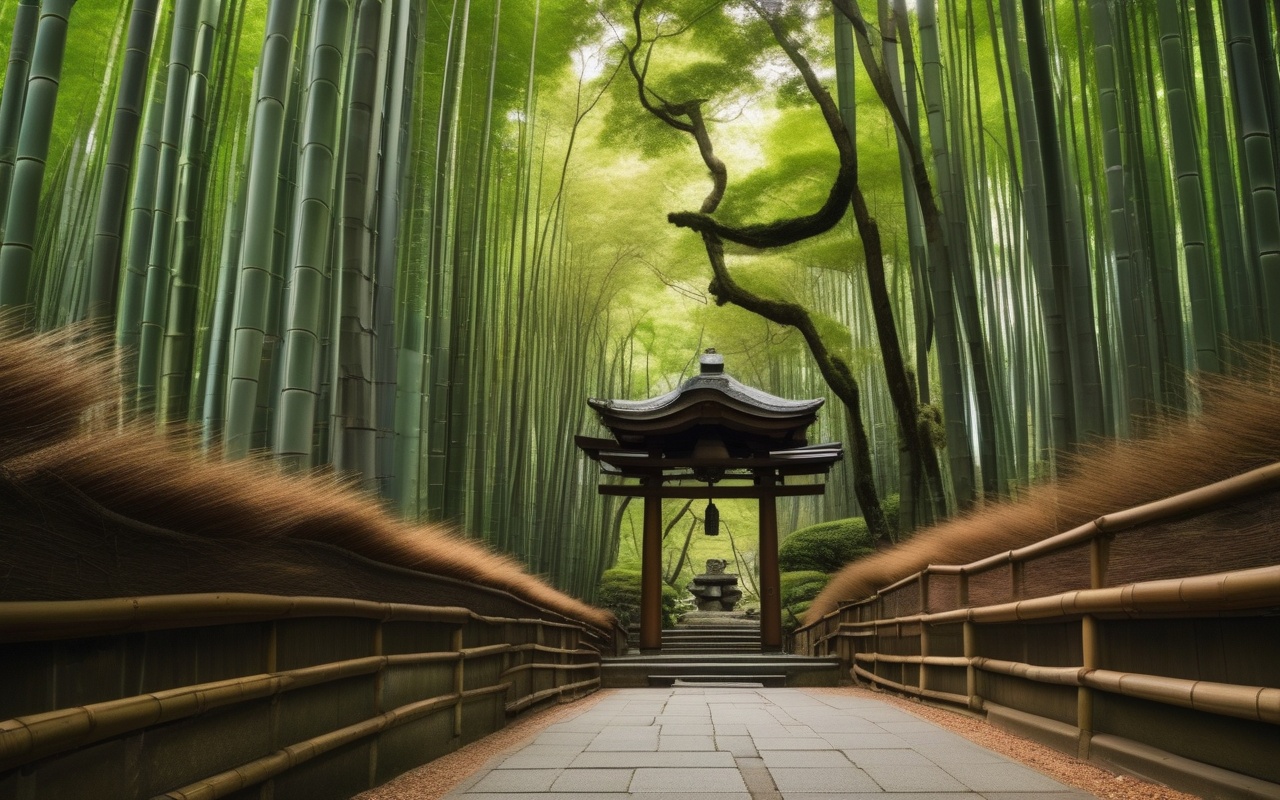
Quietness is acoustic, visual, and behavioral. Acoustically, hillside compounds interrupt the rumble of town traffic with stone walls, tree canopies, and courtyards designed to soften footsteps. Visually, narrow approaches compress perspective so that a small main hall can feel monumental when framed by moss and bamboo. Behaviorally, quietness depends on visitors lowering conversational volume, silencing notifications, and avoiding staged photography that rearranges objects or blocks narrow corridors. Many smaller temples maintain fragile moss gardens where repeated stepping would cause lasting damage; stick to obvious paving even when a corner looks photogenic.
Because Kamakura is woven through with homes, cafés, and small workshops, the boundary between sacred and everyday space can feel porous. A gate may look monastic yet lead primarily to a private residence. Conversely, a plain lane may end at a small bell tower and washing basin that mark a genuine worship space. When in doubt, pause. If no ticket window or posted hours exist, consider viewing respectfully from the entrance rather than entering. Monks and caretakers often appreciate visitors who acknowledge uncertainty with a bow and a step back rather than those who assert entitlement to exploration.
Route thinking: ridges, valleys, and ethical pacing
Successful hidden-temple walks often combine one modest ascent with one valley return rather than chaining multiple steep climbs. Ridge walks can yield intermittent ocean glimpses and cooler air, but they also dehydrate faster than visitors expect, especially when humidity is high. Valley returns along shaded lanes help regulate temperature and offer chances to pause at ethical businesses. If you are assembling logistics across rail and bus connections, the Kamakura access guide provides station-level detail that pairs well with hillside pacing decisions.
Think in segments of forty to seventy minutes rather than marathon days. Shorter segments reduce the temptation to rush through residential areas and give you time to notice subtle markers such as seasonal flowers tied to festival calendars, freshly laundered noren curtains, or the sound of practice drums from a distant hall. Carry water even when segments look short; vending machines are not guaranteed on narrow hillside lanes. Footwear with reliable grip matters because mossy stone can be slick even when skies look clear.
Seasonal behavior: rain, heat, and winter clarity
Rain transforms Kamakura’s stone staircases into slow, deliberate routes. What feels brisk in dry weather becomes cautious choreography when each step requires balance. After heavy rain, some hillside paths may be closed for safety even when temples remain open at their main gates. Check local notices when possible and treat closure tape as authoritative rather than advisory. Summer heat pushes sensible schedules toward early starts and late-afternoon returns, with midday rest in cafés that understand temple walkers. For café-forward recovery planning, our Kamakura café guide highlights venues where you can decompress without overwhelming small residential streets with loud groups.
Winter often delivers crisp air and sharper shadows, making carved details on older gates easier to read. It can also mean shorter daylight, so plan turnaround times before paths dim. Autumn leaves and spring blossoms concentrate attention on famous precincts, yet smaller compounds participate in the same seasonal drama with less crowding if you arrive early. Whenever seasonal beauty tempts you toward intrusive behavior—shaking branches for photographs, climbing retaining walls for vantage points—choose restraint. The hidden-temple experience depends on collective care.
Etiquette as infrastructure
Etiquette is not decorative tradition; it is part of how fragile sites survive heavy tourism. At smaller temples, staff may be minimal. That means self-regulation matters more. Common expectations include purifying hands and mouth respectfully at ladles when they are provided, not photographing interiors when signs prohibit it, and never flying drones without explicit permission. Offerings and amulets, when sold, support maintenance; purchasing them is optional, but handling objects casually is not. Treat wooden corridors and tatami spaces as sensitive surfaces: bags belong on hooks or your lap, not dragged across lacquer.
If you encounter funerals, memorial services, or training sessions, withdraw quietly. Do not treat ceremonies as spectacle. Children can enjoy temple visits when adults model calm curiosity rather than performance. If you are traveling with a group, split into pairs through narrow gates rather than marching in a bloc that blocks residents carrying groceries or elders walking with canes.
Photography, note-taking, and memory without harm
Photography can be a respectful tool or a disruptive one. Wide crowds at major sites sometimes normalize aggressive camera behavior, but hidden temples amplify sound and motion in small spaces. Use silent shutters, avoid pop-up flashes, and never touch sculptures to reposition them. Tripods often create trip hazards on uneven paving; monopods may be acceptable where space allows, but ask when uncertain. Note-taking with pencil or phone can deepen observation without the noise of repeated shutter bursts. Sketching encourages slower looking and often yields more personal memories than identical social-media compositions.
Food timing around contemplative walks
Long hillside mornings pair well with a late breakfast or early lunch before you commit to staircases. If you prefer to eat after walking, choose compact snacks that do not litter odor along residential lanes. For fuller meals timed around temple hopping, the Shonan Kamakura street food walk offers approachable options that respect the rhythm of small kitchens and seasonal ingredients. Avoid entering temple precincts with open alcohol containers or greasy fingers; many washing basins exist for spiritual purification, not personal cleanup after street eating.
Stewardship, donations, and long-term access
Small temples maintain roofs, gutters, and wooden joinery against humidity and typhoon seasons. Visitor fees, amulet purchases, and posted donation boxes contribute to that work. If a site is free yet offers a donation box, consider contributing when you have been welcomed into a meaningful experience. Volunteer weed-pulling or seasonal events sometimes appear on local bulletin boards; participation can deepen context if your language skills and schedule align. Long-term access improves when tourists signal with behavior that they are allies of preservation rather than consumers of spectacle.
Map and orientation
Use this embed as a planning anchor near the northern basin where many hillside approaches concentrate. Zoom in and out to relate ridges to the station area before you walk.
Visual references along the way
When plans change: graceful pivots
Even careful planners encounter locked gates, sudden weather, or unexpected closures tied to private services. Keep a mental shortlist of nearby alternatives drawn from broader guides rather than forcing a single destination. The Kamakura temple overview lists major complexes that can absorb overflow crowds while still teaching architectural literacy. The Great Buddha walking context helps if you decide to descend toward the Daibutsu area for open sightlines and more predictable hours. Historical curiosity pairs well with Great Buddha Kamakura history when you want narrative depth after a quiet morning.
Deepening interpretation without overwhelming locals
Reading beforehand helps you ask better questions and need fewer interruptions on site. Academic histories, literary essays, and conservation blogs all enrich what you notice in carvings, roof lines, and garden stones. On the ground, prioritize observation over interrogation. If a caretaker initiates conversation, respond with brevity and gratitude. Language barriers are normal; a polite tone and simple words cross farther than fluent jargon delivered impatiently.
Accessibility realities on hillside routes
Many hidden approaches assume staircases, uneven paving, and slopes without handrails. Travelers with mobility limitations may prefer valley routes with gentler grades and clearer paving, visiting smaller halls near roads rather than remote mountain gates. Some sites offer alternative entrances during festivals; others do not. Call ahead only when listings provide numbers; otherwise rely on official websites and municipal tourism updates. Honest assessment of stamina protects both visitors and rescue resources.
Nightfall and early dusk
Temples are generally daytime destinations. Walking hillside lanes after dark without local knowledge risks disorientation and unintended intrusion into private property. Plan to complete remote segments before dusk unless you are on a documented night opening route in urban, well-lit contexts. Carry a small flashlight for tunnels and shaded staircases that dim earlier than open streets.
Packing list for low-impact exploration
Pack layers, a compact towel for humidity, a reusable water bottle, a coin pouch for modest fees, and a cloth bag for purchases that avoids plastic rustle in quiet halls. Silence your phone and consider grayscale mode to reduce the temptation to document everything. A lightweight rain shell beats an umbrella on narrow staircases where wind can invert fabric into other people’s faces.
Integrating community life respectfully
Hidden temples exist inside neighborhoods where people sleep, study, and mourn. Keep voices low on return legs, especially near windows and narrow driveways. Avoid blocking garage doors with group photos. If you hear schoolchildren practicing instruments, treat the sound as part of the soundscape rather than a nuisance. Respectful tourism signals that visitors see residents as stakeholders, not scenery.
Long-form walking as practice
Consider treating a hidden-temple day as walking meditation with cultural goals rather than a trophy hunt. Select a small number of intentions: notice three roof details, learn one new plant name, identify one architectural term from your reading. Such constraints paradoxically expand attention. End the day journaling or discussing quietly over tea rather than immediately posting location-tagged stories that can unintentionally flood fragile sites.
Closing orientation
Kamakura’s quieter temples reward preparation, humility, and flexible pacing. They ask visitors to trade volume for depth, and speed for sensory accuracy. Anchor your logistics with the Kamakura access guide, broaden religious literacy with the Kamakura shrine and temple companion, and treat food breaks as part of the ethical rhythm using the Shonan Kamakura street food walk. When the hills close a door, history near the Daibutsu opens another through the Great Buddha Kamakura history article and its practical companion on Great Buddha walking context. Hiddenness, approached with care, becomes a shared gift rather than a secret hoarded.
Extended Visitor Strategy for Kamakura Hidden Temples Guide
A better visit starts when you stop treating Kamakura Hidden Temples Guide as a single checklist stop and instead design your day in layered modules. Use one primary objective, one backup objective, and one recovery path. The primary objective is what matters most for your trip story. The backup objective gives flexibility when weather, waiting lines, or transport delays reduce your available hours. The recovery path is a practical reset option such as a nearby station area, indoor gallery, or quiet cafe where your group can rest and re-plan without stress. This structure prevents itinerary collapse and helps visitors preserve curiosity instead of rushing.
Timing matters as much as destination choice. Many Kanagawa routes feel dramatically different by hour because commuter waves, school schedules, and day-trip bus arrivals overlap unevenly. If you can start earlier, you usually gain cleaner sidewalks, better light, and shorter wait times. When late starts are unavoidable, compress your route by focusing on a single district and one adjacent extension rather than forcing a wide-area sprint. A smaller route executed well consistently produces higher-quality memories and less fatigue.
How to Read Place Context More Deeply
Visitors often photograph surfaces while missing context. For Kamakura Hidden Temples Guide, context comes from observing how local life and visitor flow share the same streets at different tempos. Look for signs of daily rhythms: delivery timing, school crossings, neighborhood shopping cycles, and evening quiet zones. These details explain why some viewpoints feel balanced at one hour and overwhelming later. Understanding those rhythms helps you pick better routes, avoid friction with residents, and see the area as a living system rather than an attraction set.
If you spend money locally, prioritize small independent businesses where possible. Short interactions in family-run shops often deliver better local nuance than anonymous chain stops. Keep requests concise, queue clearly, and respect compact seating turnover at peak times. Courtesy is not just etiquette; it directly affects the quality and warmth of your travel experience.
Operational Checklist You Can Reuse
- Pre-trip: confirm weather alerts, opening hours, and one alternative route.
- Navigation: save two bailout points and one restroom anchor before leaving your hotel.
- Comfort: carry water, coins, and a lightweight extra layer for temperature shifts.
- Documentation: capture one wide, one medium, and one detail photo per segment.
- Etiquette: avoid blocking narrow paths and never film private homes closely.
Recovery Patterns for Real-World Travel Days
Good travel execution is measured by recovery speed, not perfect conditions. If rain intensifies, switch to covered segments and indoor visits. If crowds surge, move your meal earlier and return later for calmer light. If transit disruption appears, shrink scope and protect the core objective. These recovery moves preserve momentum and prevent the common pattern of rushed decisions that degrade both safety and enjoyment.
Why Repeat Visits Improve Faster with Structure
First visits often optimize for completion, while second and third visits optimize for depth. A structured method works for both. On first contact with Kamakura Hidden Temples Guide, it prevents confusion. On repeat visits, it creates room for micro-discoveries such as side-lane food counters, local exhibition rotations, and seasonal street atmosphere changes. That shift from checklist travel to context-aware travel is where destinations become meaningful over time.
Responsible Use Notes
Use official local advisories for closures and hazard notices. Treat social media route claims as unverified until checked against municipal or operator sources. When in doubt, choose the slower and safer option. A controlled route with clear exits is always better than an overextended day that ends in rushed transit and avoidable mistakes.
Practical Planning Notes
Travel quality improves when you predefine one primary objective and one fallback route before arriving. In Kamakura Hidden Temples Guide, this prevents rushed detours and helps you spend time where the place has the most character rather than where crowds naturally drift. This keeps the visit grounded, improves decision quality, and reduces the chance of avoidable mistakes on busy travel days.
Quick Checklist
- Prioritize resident-safe etiquette on narrow streets and near homes.
- Choose local businesses thoughtfully to support neighborhood continuity.
- Check opening hours directly on official sources on the day of travel.
- Keep one alternate route that avoids peak crowd corridors.
- Use short notes during the walk to capture facts and follow-up questions.
Additional Practical Notes 1
A practical way to improve this route is to decide your non-negotiable stop before arrival and treat all other segments as optional. Crowd-aware timing, especially around station exits, often matters more than total itinerary length. For Kamakura Hidden Temples Guide, this approach keeps travel quality stable even when transport, weather, or queue conditions change unexpectedly. Use one fallback point, one timing buffer, and one clear regroup rule for multi-person trips.
Additional Practical Notes 2
Crowd-aware timing, especially around station exits, often matters more than total itinerary length. A practical way to improve this route is to decide your non-negotiable stop before arrival and treat all other segments as optional. For Kamakura Hidden Temples Guide, this approach keeps travel quality stable even when transport, weather, or queue conditions change unexpectedly. Use one fallback point, one timing buffer, and one clear regroup rule for multi-person trips.