Overview
The Odakyu Romance Car is a premium limited express service connecting Shinjuku to popular destinations in Kanagawa, including Hakone, Enoshima, and Odawara. This comprehensive guide covers all train types, reservation methods, onboard facilities, and tips for making the most of your journey.

The Romance Car offers a comfortable and scenic alternative to regular trains, with reserved seating, spacious interiors, and panoramic views of the Kanagawa countryside. Whether you are heading to Hakone for hot springs or Enoshima for the beach, the Romance Car makes the journey part of the experience.
Quick Links
This guide provides essential information about the Odakyu Romance Car, including train types, reservation procedures, onboard amenities, and money-saving tips for foreign visitors.
Location and Routes
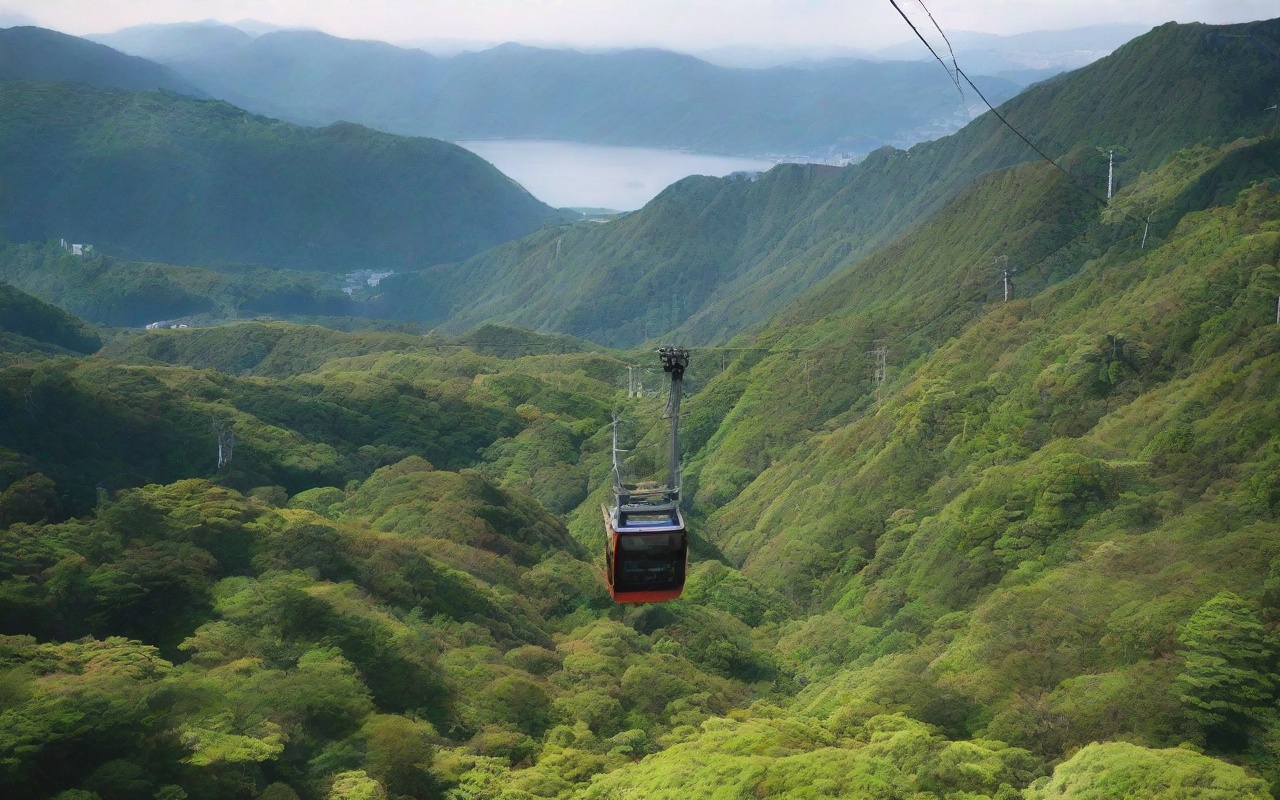
The Romance Car operates on the Odakyu Odawara Line and Enoshima Line, connecting Shinjuku Station to major destinations in Kanagawa Prefecture.
Main Routes
Shinjuku to Hakone-Yumoto
- Duration: Approximately 75 minutes
- Distance: 82.5 km
- Stops: Major stations including Machida, Hon-Atsugi, and Odawara
- Best for: Hot spring resorts, mountain scenery
Shinjuku to Katase-Enoshima
- Duration: Approximately 65 minutes
- Distance: 50.0 km
- Stops: Direct service with limited stops
- Best for: Beach access, Enoshima Island, aquarium
Shinjuku to Odawara
- Duration: Approximately 60 minutes
- Distance: 82.5 km
- Stops: Express service with limited stops
- Best for: Odawara Castle, gateway to Hakone
Seasonal Variations
Spring (March-May)
- Cherry blossom views along the route
- Increased service during hanami season
- Popular for day trips to Hakone
Summer (June-August)
- Beach-bound passengers to Enoshima
- Extra services during Obon holidays
- Air conditioning essential
Autumn (September-November)
- Fall foliage viewing from train windows
- Comfortable temperatures for travel
- Popular for Hakone hot springs
Winter (December-February)
- Clear views of Mount Fuji on sunny days
- Fewer crowds, easier reservations
- Cozy onboard atmosphere
Train Types and Features

GSE (70000 Series) - Graceful Super Express
The GSE is the newest Romance Car, featuring a panoramic front view and modern design.
Key Features:
- Capacity: 468 seats across 6 cars
- Length: 100 meters
- Speed: Up to 110 km/h
- Special Feature: Panoramic front observation seats (first car)
Onboard Amenities:
- Reclining seats with leg rests
- AC power outlets at every seat
- Free Wi-Fi
- Restrooms in cars 2, 4, and 6
- Vending machines for drinks
Best For:
- Scenic views (front observation seats)
- Comfortable long-distance travel
- Photography enthusiasts
MSE (60000 Series) - Multi Super Express
The MSE offers through-service to Tokyo Metro lines, convenient for passengers from central Tokyo.
Key Features:
- Capacity: 402 seats across 6 cars
- Length: 100 meters
- Speed: Up to 110 km/h
- Special Feature: Direct access to Tokyo Metro Chiyoda Line
Onboard Amenities:
- Reclining seats with tray tables
- AC power outlets at window seats
- Free Wi-Fi
- Restrooms in cars 2 and 5
- Luggage storage areas
Best For:
- Passengers from Tokyo Metro lines
- Business travelers
- Convenient transfers
VSE (50000 Series) - Vista Super Express (Retired)
The VSE was the iconic double-decker Romance Car, retired in 2022 but fondly remembered.
Historical Note:
- Service Period: 1996-2022
- Special Feature: Double-decker observation car
- Legacy: Inspired current GSE design
Reservation Methods

Online Reservation
Odakyu Official Website:
- Visit the Odakyu Romance Car reservation page
- Select departure station, destination, and date
- Choose train type and departure time
- Select seats from the seat map
- Complete payment with credit card
Payment Methods:
- Credit cards (Visa, Mastercard, JCB, AMEX)
- Some foreign-issued cards accepted
- Payment confirmation via email
Advance Booking:
- Reservations open 1 month in advance
- Popular dates fill quickly (weekends, holidays)
- Same-day reservations possible if seats available
Station Counter Reservation
Major Stations:
- Shinjuku Station (Odakyu Sightseeing Service Center)
- Machida Station
- Hon-Atsugi Station
- Odawara Station
Process:
- Visit the ticket counter or vending machine
- Request Romance Car tickets
- Specify train type, date, and time
- Pay with cash or card
- Receive printed tickets
Language Support:
- English-speaking staff at Shinjuku
- Multilingual vending machines
- Translation apps recommended
Vending Machine Reservation
Available At:
- All major Odakyu stations
- Some convenience stores
Process:
- Select "Limited Express" on screen
- Choose English language
- Select route and date
- Choose seats from display
- Insert payment
- Collect tickets
Pricing and Tickets
Base Fare + Limited Express Fee
Shinjuku to Hakone-Yumoto:
- Base Fare: 1,140 yen
- Limited Express Fee: 1,230 yen
- Total: 2,370 yen (one way)
Shinjuku to Katase-Enoshima:
- Base Fare: 970 yen
- Limited Express Fee: 1,030 yen
- Total: 2,000 yen (one way)
Shinjuku to Odawara:
- Base Fare: 1,140 yen
- Limited Express Fee: 1,230 yen
- Total: 2,370 yen (one way)
Discount Passes
Hakone Free Pass:
- Includes round-trip Romance Car from Shinjuku
- Unlimited transport in Hakone area
- Discounts at attractions and restaurants
- Price: 6,100 yen (2 days), 6,500 yen (3 days)
Enoshima-Kamakura Free Pass:
- Includes round-trip Romance Car from Shinjuku
- Unlimited transport in Enoshima/Kamakura
- Discounts at temples and shops
- Price: 3,000 yen (1 day)
Odakyu Rail Pass (for foreign visitors):
- Discounted Romance Car tickets
- Available at travel agencies abroad
- Valid for 14 days from purchase
Onboard Experience
Seating Comfort
Seat Specifications:
- Width: 460 mm (wider than regular trains)
- Pitch: 1,000 mm (generous legroom)
- Recline: Up to 15 degrees
- Features: Headrests, armrests, tray tables
Seat Types:
- Standard Seats: Comfortable reclining seats
- Observation Seats: Front-row panoramic views (GSE only)
- Group Seats: Some cars have facing seats
Accessibility
Wheelchair Access:
- Dedicated wheelchair spaces in car 3
- Accessible restrooms in cars 2 and 5
- Station staff assistance available
- Advance reservation required for wheelchair spaces
Other Accessibility Features:
- Priority seating for elderly and disabled
- Visual and audio announcements
- Braille signage in trains
Luggage Storage
Onboard Storage:
- Overhead racks for small bags
- Luggage areas at car ends
- Maximum 2 large bags per passenger
- No additional fee for luggage
Size Limits:
- Large bags: Up to 160 cm total dimensions
- Small bags: Fit in overhead racks
- Oversized items: Contact Odakyu in advance
Practical Tips
Best Times to Travel
Avoid Crowds:
- Weekday mornings (9-11 AM)
- Weekday afternoons (2-4 PM)
- Avoid weekends and Japanese holidays
Best Views:
- Morning departures for Mount Fuji views
- Autumn foliage season (November)
- Cherry blossom season (late March-early April)
Money-Saving Tips
Book in Advance:
- Reservations open 1 month ahead
- Early booking ensures seat selection
- Popular dates sell out quickly
Use Discount Passes:
- Hakone Free Pass offers best value
- Enoshima-Kamakura Pass for beach trips
- Foreign visitor passes available
Combine with Local Transport:
- Romance Car + local trains/buses
- Day passes for unlimited travel
- Group discounts for 6+ passengers
Common Mistakes to Avoid
Reservation Errors:
- Booking wrong destination (Hakone-Yumoto vs. Odawara)
- Forgetting limited express fee in budget
- Not checking train type (GSE vs. MSE)
Travel Errors:
- Arriving late (trains depart on time)
- Wrong platform at Shinjuku
- Not validating pass before boarding
Conclusion
The Odakyu Romance Car is an essential part of any Kanagawa trip, offering comfort, speed, and scenic views. By understanding train types, reservation methods, and money-saving passes, you can maximize your travel experience.
Whether heading to Hakone hot springs, Enoshima beach, or Odawara Castle, the Romance Car makes the journey enjoyable and memorable. Book in advance, choose the right train type, and enjoy the ride.
Related Articles
Related Reading
Related Reading
Practical notes for visitors
Coastal hikes demand tide charts even when trails look dry at noon; returning legs can meet rising water on narrow volcanic shelves. Tell someone your ETA when cell coverage thins, and carry a whistle separate from your phone battery.
Coffee shop remote work is welcome until one customer dominates bandwidth with huge uploads. Ask staff quietly about time limits, order a second drink as courtesy, and avoid phone calls without stepping outside under residential windows.
Souvenir ceramics need bubble wrap inside shoes to survive trains; socks pad rims better than newspaper that stains glaze. If shop staff offer registered mail, compare insurance limits against the piece value before nodding yes.
Charging hubs cluster near major stations yet cables walk away; label yours subtly. Power banks degrade in heat, so avoid leaving them on car dashboards during summer beach afternoons before a long evening train back to Tokyo.
Beach cleanup volunteers should wear closed shoes for hidden glass; organizers distribute tongs and bags yet rarely spare socks. Hydrate before bending hundreds of times, and photograph sorted piles for accountability without shaming individuals.
Surf lesson schools post wave height limits honestly; respect refusals when instructors cite beginner safety. Sunscreen stings eyes after duck dives, so use stick formulas on forehead and zinc on nose bridges before paddling out.
Fish market mornings reward early tickets yet punish late sleepers with sold-out tuna bowls. Read whether photography requires a fee, and avoid blocking auction aisles where forklifts move faster than tourist reaction times.
Castle stone steps wear smooth in rain; descend facing inward and use handrails even when locals skip them. Reconstructed towers still teach layout history if you read bilingual panels slowly instead of racing for rooftop selfies only.
Romancecar seats feel wider yet luggage rules remain strict; measure bags before gates. Green car upgrades on other lines differ from Odakyu branding, so confirm car numbers printed on platform floor stickers minutes before departure.
Taxicab rear doors sometimes auto-open on the left; step back to avoid knee collisions. Receipt printers jam; ask calmly for a manual rewrite if you need reimbursement paperwork for corporate travel policies back home.
Parking garages near stadiums spike prices on event days; apps show dynamic rates yet lag during overtime innings. Consider remote lots with shuttle buses when walking distance stays under fifteen minutes and lines move steadily post-game.
Highway buses require named seats; boarding with the wrong row delays everyone during narrow aisle choreography. Keep snacks low odor, seal trash until rest stops, and fasten seat belts when signs illuminate even on straight expressways.
Luggage forwarding labels need kanji hotel addresses exact; one wrong digit routes bags overnight to a different prefecture. Photograph both sides of the slip, and text yourself the tracking number before you misplace the receipt heat print.
Ramen shop queues form silently; join the line end even if a friend saves a stool inside unless staff explicitly allow group coordination. Slurp modestly, finish broth if culture demands it at that shop, and exit promptly when turnover pressure rises.
Matcha sweets cafes vary sweetness levels; ask for usucha before committing to thick koicha if bitterness surprises you. Wagashi pairing menus rotate monthly, so revisit seasonal menus rather than assuming last year's photos still apply.
Vegetable-forward set meals still use dashi; clarify dietary needs with allergy cards in Japanese if fish stock matters medically. Farmers markets accept cash early morning yet switch POS tablets after lunch crowds thicken near station exits.
Kamaboko tasting skewers appear small yet sodium adds up across multiple stalls; sip water between samples. Factory tours limit group sizes, so reserve online slots before you ride the Shinkansen leg that arrives minutes before gate close.
Craft brewery flights encourage moderation when trains home run hourly after midnight ends. Ask about take-home crowlers if glass growlers weigh down your backpack during a humid coastal afternoon stroll afterward.
Shirasu bowls peak in season charts; off-season versions may use frozen fish honestly labeled yet different texture. Photograph menu kanji if translators struggle with handwritten lunch specials taped beside register printers.
Chinatown hidden menus reward phrasebook prep; point at characters slowly and confirm spice levels with finger scales from mild to bold. Shared tables turn quickly, so stack trays neatly when finished to signal readiness without shouting.
Ie-kei ramen customization confuses newcomers; write toppings in order of preference when lines stretch. Broth oil caps exist for a reason; respect the recommended slider setting before asking staff to dilute a carefully balanced batch.
Navy curry shops post lunch sold-out signs by early afternoon; arrive before noon on holidays. Retort pouches in souvenir corners differ from restaurant recipes, so read ingredient lists if allergies require certainty beyond restaurant verbal assurances.
Extended Visitor Strategy for Odakyu Romance Car Guide
A better visit starts when you stop treating Odakyu Romance Car Guide as a single checklist stop and instead design your day in layered modules. Use one primary objective, one backup objective, and one recovery path. The primary objective is what matters most for your trip story. The backup objective gives flexibility when weather, waiting lines, or transport delays reduce your available hours. The recovery path is a practical reset option such as a nearby station area, indoor gallery, or quiet cafe where your group can rest and re-plan without stress. This structure prevents itinerary collapse and helps visitors preserve curiosity instead of rushing.
Timing matters as much as destination choice. Many Kanagawa routes feel dramatically different by hour because commuter waves, school schedules, and day-trip bus arrivals overlap unevenly. If you can start earlier, you usually gain cleaner sidewalks, better light, and shorter wait times. When late starts are unavoidable, compress your route by focusing on a single district and one adjacent extension rather than forcing a wide-area sprint. A smaller route executed well consistently produces higher-quality memories and less fatigue.
How to Read Place Context More Deeply
Visitors often photograph surfaces while missing context. For Odakyu Romance Car Guide, context comes from observing how local life and visitor flow share the same streets at different tempos. Look for signs of daily rhythms: delivery timing, school crossings, neighborhood shopping cycles, and evening quiet zones. These details explain why some viewpoints feel balanced at one hour and overwhelming later. Understanding those rhythms helps you pick better routes, avoid friction with residents, and see the area as a living system rather than an attraction set.
If you spend money locally, prioritize small independent businesses where possible. Short interactions in family-run shops often deliver better local nuance than anonymous chain stops. Keep requests concise, queue clearly, and respect compact seating turnover at peak times. Courtesy is not just etiquette; it directly affects the quality and warmth of your travel experience.
Operational Checklist You Can Reuse
- Pre-trip: confirm weather alerts, opening hours, and one alternative route.
- Navigation: save two bailout points and one restroom anchor before leaving your hotel.
- Comfort: carry water, coins, and a lightweight extra layer for temperature shifts.
- Documentation: capture one wide, one medium, and one detail photo per segment.
- Etiquette: avoid blocking narrow paths and never film private homes closely.
Recovery Patterns for Real-World Travel Days
Good travel execution is measured by recovery speed, not perfect conditions. If rain intensifies, switch to covered segments and indoor visits. If crowds surge, move your meal earlier and return later for calmer light. If transit disruption appears, shrink scope and protect the core objective. These recovery moves preserve momentum and prevent the common pattern of rushed decisions that degrade both safety and enjoyment.
Why Repeat Visits Improve Faster with Structure
First visits often optimize for completion, while second and third visits optimize for depth. A structured method works for both. On first contact with Odakyu Romance Car Guide, it prevents confusion. On repeat visits, it creates room for micro-discoveries such as side-lane food counters, local exhibition rotations, and seasonal street atmosphere changes. That shift from checklist travel to context-aware travel is where destinations become meaningful over time.
Responsible Use Notes
Use official local advisories for closures and hazard notices. Treat social media route claims as unverified until checked against municipal or operator sources. When in doubt, choose the slower and safer option. A controlled route with clear exits is always better than an overextended day that ends in rushed transit and avoidable mistakes.
Practical Planning Notes
In Odakyu Romance Car Guide, visitors usually gain more by slowing pace than by adding stops. A shorter route with deliberate pauses gives clearer context, better photos, and less fatigue than a checklist-style sprint across districts. This keeps the visit grounded, improves decision quality, and reduces the chance of avoidable mistakes on busy travel days.
Quick Checklist
- Keep one alternate route that avoids peak crowd corridors.
- Use short notes during the walk to capture facts and follow-up questions.
- Prioritize resident-safe etiquette on narrow streets and near homes.
- Choose local businesses thoughtfully to support neighborhood continuity.
- Check opening hours directly on official sources on the day of travel.
Additional Practical Notes 1
Crowd-aware timing, especially around station exits, often matters more than total itinerary length. Weather-adjusted sequencing is often better than fixed scheduling for this destination. For Odakyu Romance Car Guide, this approach keeps travel quality stable even when transport, weather, or queue conditions change unexpectedly. Use one fallback point, one timing buffer, and one clear regroup rule for multi-person trips.
Additional Practical Notes 2
Visitors usually gain more depth by reducing transitions and spending longer in one district. A practical way to improve this route is to decide your non-negotiable stop before arrival and treat all other segments as optional. For Odakyu Romance Car Guide, this approach keeps travel quality stable even when transport, weather, or queue conditions change unexpectedly. Use one fallback point, one timing buffer, and one clear regroup rule for multi-person trips.
Additional Practical Notes 3
Visitors usually gain more depth by reducing transitions and spending longer in one district. A practical way to improve this route is to decide your non-negotiable stop before arrival and treat all other segments as optional. For Odakyu Romance Car Guide, this approach keeps travel quality stable even when transport, weather, or queue conditions change unexpectedly. Use one fallback point, one timing buffer, and one clear regroup rule for multi-person trips.